

Apr 12, 2023 | News
A home should feel like a sanctuary, and that means remaining safe and accessible throughout every stage of life.
Injury, illness or age can result in everyday tasks becoming more challenging. Opting for live-in care is a brilliant way to overcome difficulties, and there are lots of ways to ensure your home is working hard to help, too.
Ways to make your home more accessible
Think about how you use your home, and identify areas where you might need extra support.
- Grab rails are easy to install, and can make a huge difference in bathrooms, bedrooms or alongside steps up to the front door.
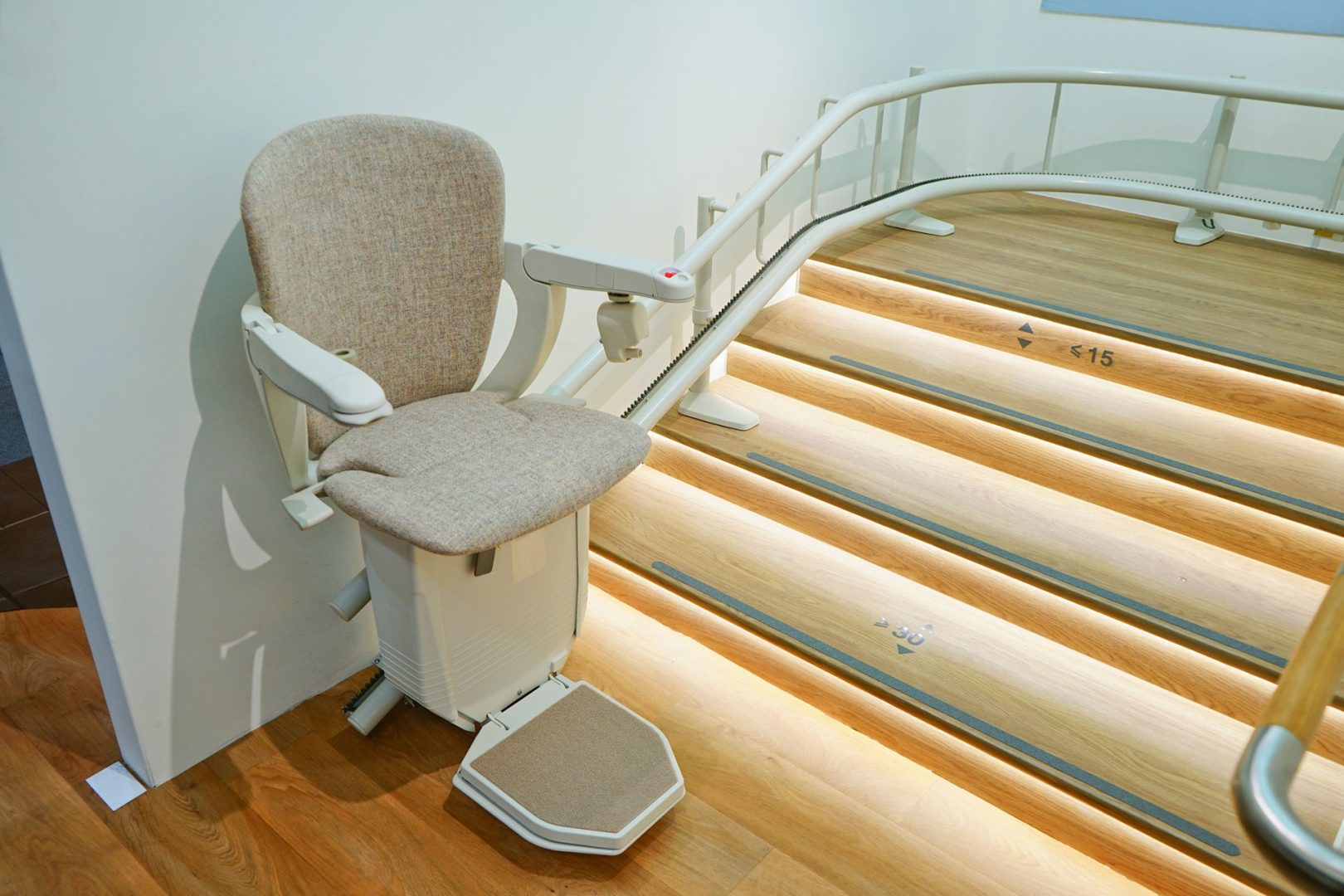
- Consider adding an extra bannister for the stairs – or even a stair lift if your budget and space allow.
- Think about converting a bathroom to a wet room, so it’s possible to walk straight into the shower. You could also consider installing a side opening in a bath.
- If you or your loved one use a wheelchair, there are ways to make it easier to move around the house. Changing the direction in which doors open can make a huge difference, as can widening door frames to enable a wheelchair to fit through comfortably. Don’t forget, too, to think about furniture and whether a different layout will provide more space.
- Ramps can be a handy addition, especially for a wheelchair user. If there are steps up to the front door, or between rooms, a ramp can offer seamless travel around the home.
- Bigger projects might involve an extension to create more space at the ground floor level, perhaps to include a bedroom and bathroom. This is a sizable investment, but can significantly improve quality of life and prolong independence.
Ways to make sure your home is safe
Even without mobility problems, everyday life can be challenging for other reasons. But there are ways to make a home safer.
- Adding bright tape to the edge of steps and stairs can help somebody with vision issues stay safe. It’s also important to make sure any loose carpets, trailing wires or other potential hazards are fixed.
- Lighting is crucial, both inside and outside. Can you increase the brightness, or add extra lighting in key areas? Motion sensors mean lights come on automatically as needed, and dimmers are useful for flexibility, too.
- Add security measures, such as an intercom system or doorbell camera, to help you or your loved one feel safer at home. There are lots of options, and some even let you open the door remotely, without getting up.
- If you struggle to lift a full kettle or are at risk of spills, try a tipper, so you can pour without lifting.
- For someone who has impaired hearing, an alternative smoke alarm can be a literal lifesaver. Invest in an alarm with flashing lights, or that sends a vibrating alert to a phone.
If you’re interested in permanent live-in care to help support you at home, get in touch with us today to discuss your requirements.
 Call 01980 846690