

Mar 07, 2023 | News
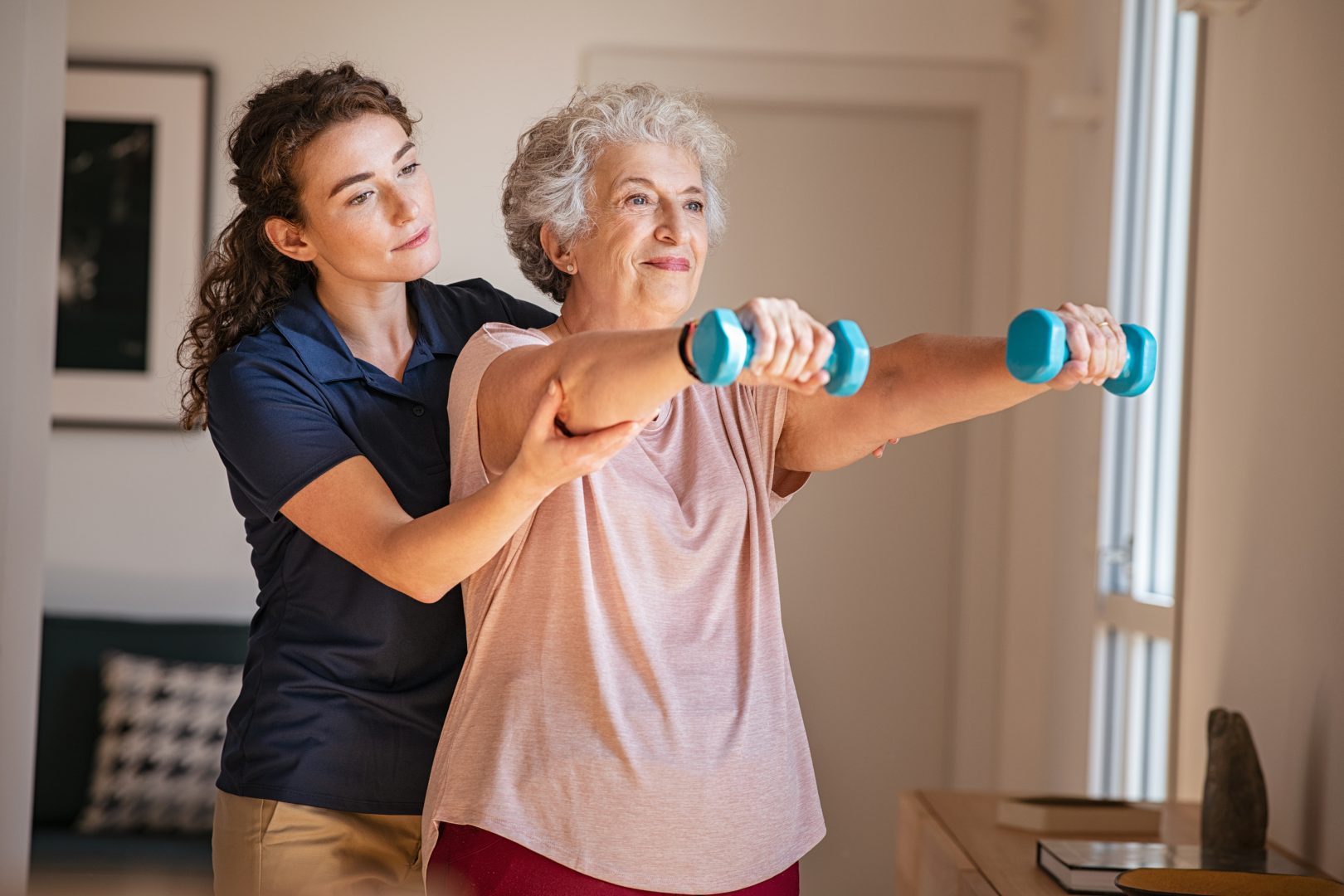
Exercise is beneficial to everyone, but for the elderly with dementia or Alzheimer’s, the advantages of physical exercise are huge.
Being active can improve strength, flexibility and circulation – which in turn reduces pain levels and the risk of falls. It can also have a positive impact on sleep and mood, both of which affect the quality of life of an elderly person with dementia.
Exercise can also be a great opportunity to get outside and enjoy some fresh air and sunshine which in turn will boost your Vitamin D intake, which also has myriad health benefits.
So, if you have a loved one living with dementia, why not take steps to introduce exercise in a safe and enjoyable way?
Exercise for the elderly and seniors: before getting started
- Check in with the person’s doctor to find out what form of exercise will be safe for them.
- Ensure they stay hydrated and fully fuelled – make sure water is on hand throughout an exercise session, and that they are eating a balanced and nutritious diet.
- For outdoor exercise, consider the equipment they will need and potentially look at giving them a GPS tracker or medical alter bracelet in case they get separated from you.
Physical exercises for elderly and seniors
Here are some ways in which your loved one might enjoy getting active – sometimes without even realising it.
- Walking – this is one of the easiest and most effective forms of exercise. It’s free, too. It can be around your house or garden, or you can try taking a stroll outside for a change of scenery and lots of fresh air.
- Stretches and mobility exercises – these can be done while sitting, standing or even lying down. Think gentle shoulder rolls, arm and leg lifts and torso twists, or stretching. Try flexing the toes towards the shins, then pointing them.
- Sit-stand exercises – practising standing up from a chair not only breaks up long periods of sitting but it helps to improve strength and balance, while promoting independence.
- Sitting unsupported – doing this for a few minutes every day, with supervision, if necessary, works the back and core muscles, improving overall strength and posture, and helps lower a person’s fall risk.
- Gardening – a great way to fit in some exercise without even realising it. Raking leaves, watering plants or weeding can all be a great workout and can increase the amount of time somebody spends outside in the fresh air as well.
- Dancing – pop on your favourite music and get moving at home. You can be on your feet or in a chair, but moving to music you love is a brilliant mood booster. It can help trigger memories and is a fantastic way for elderly/senior people with dementia to express themselves.
- Swimming and other water-based exercises – this low-impact form of exercise is great for improving stamina, strength and flexibility.
It can be tough to find the time to spend helping your loved one get active. So, perhaps it’s time to consider whether live-in care might be the best option. As part of providing all-around support, a carer can guide them through exercise too.
If you feel that you or your loved one would benefit from professional live-care, get in touch with the OxleyCare team.
 Call 01980 846690